
Van Gogh Artists Club
René Huyghe, a member of the Académie Française and curator at the Louvre, wrote: "Van Gogh completed a transformation, both passionately and comprehensively, which paved the way from Impressionism to modern art." He added, "The light of Impressionism and the sun of Provence in southern France revealed to Van Gogh the fountainhead of art—the flame burning deep within the human soul and its quest for the absolute. From this emerged Fauvism and Expressionism, spreading across France and all of Europe, giving rise to modern art's overarching pursuit of the absolute. Sometimes, this pursuit veered too heavily into aesthetics and lost its way, forgetting the most vital aspect: the constant imperative for self-transcendence." Quoting Van Gogh, he asked what the purpose was of that "thing called the soul, believed to be immortal and ever-searching, searching, searching." Van Gogh answered: "We need something great, something eternal, in which we can see God."
René Huyghe continued: "Thus, it was Van Gogh who, in his feverish and profound quest, transcended 19th-century Realism and Impressionism, ultimately providing the true impetus that drove modern art into the 20th century."
Born as the eldest son of a pastor and raised in a devout religious atmosphere, Van Gogh initially sought to become a missionary. Though that path ended in failure, it led him to discover his true calling at the age of 27: to become a painter and "create art that touches people's hearts." This new vocation ultimately proved to be his "alternative ministry." He candidly admitted: "What I want and what I aim for is terribly difficult," requiring his utmost intellect and energy, which eventually made him one of the most diligent artists of his generation. From 1881 to 1890—a brief period of just ten years—this self-taught, late-blooming wanderer from the North, relying solely on modest financial support from his younger brother Theo, traveled to Paris, journeyed south through France to Arles and Saint-Rémy, and finally returned to the outskirts of Paris. According to statistics compiled by Dr. Jan Hulsker in The Complete Van Gogh: Paintings, Drawings, Sketches, he produced a total of 2,125 works—including over 800 oil paintings and more than 1,000 works on paper and watercolors—while also leaving behind over 820 surviving letters.
In 1888, Van Gogh arrived in Arles with the vision of establishing an artists' colony in the south of France. He hoped to spark an artistic tradition to honor Arles by founding a workshop: the Studio of the South (Atelier du Midi). In May 1888, he rented four rooms at No. 2 Place Lamartine—the famous "Yellow House"—setting it up as a sanctuary for avant-garde artists, an "Artists' Club" rooted in friendship and creation. He urged Émile Bernard, Paul Gauguin, and other like-minded artists to join him in Arles. In the end, only Gauguin arrived, and their collaboration met a tragic conclusion.
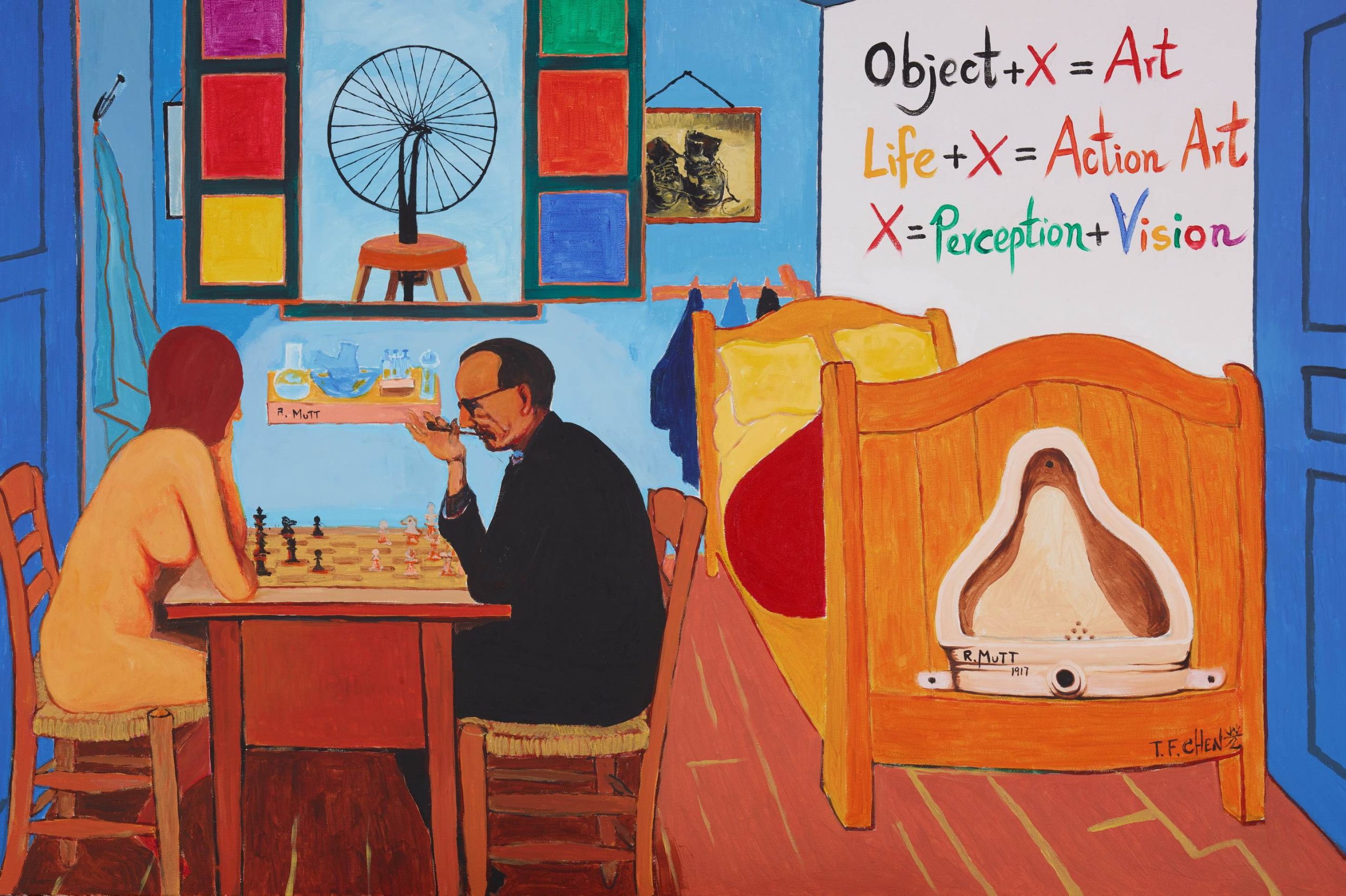
Yet, the vision Van Gogh held so close to his heart has become widespread today, akin to the modern concept of "artists-in-residence" fostering artistic communities everywhere. Dr. TF Chen, through his signature "Neo-Iconography" style, has invited masters across Western art history to fulfill Van Gogh's unmastered dream. Each master arrives as an "artist-in-residence," staying in Van Gogh's iconic "Bedroom in Arles" and creating work. They adorn the bedroom with their own creations, with only one exception: a painting by Van Gogh always hangs to the right of the window, symbolically representing his presence and shared participation in this grand artistic gathering.
Dr. Chen invited a total of 24 great masters to join the "Van Gogh Artists Club," with Picasso and Matisse each invited three times to fully express their rich, profound, and captivating creative geniuses. The "Van Gogh Artists Club" series marks Dr. Chen's recent body of work—created after celebrating his 80th birthday and recovering from colon cancer surgery. Reflecting upon his life's journey, he returns to the origin: Van Gogh, the profound inner source of artistic creation and the universally acknowledged founder of modern and contemporary art today.
Monet participated in the Van Gogh Art Furniture Club
Claude Monet (1840-1926) First, there’s Monet, with his “Impression, Sunrise” hanging on the wall, the painting that, through Louis Leroy, made him a young “Impressionist painter.” […]
Gauguin participated in the Van Gogh Art Furniture Club
Paul Gauguin (1839-1906) As one of the five attributes of T.F., Chan’s “new hieroglyphs” are quotation, appropriation, imitation, unity of time and space, and ideal […]
Braque participated in the Van Gogh Art Furniture Club
Georges Braque (1882-1963) In 1907, the 24-year-old Georges Braque arrived in Paris and took six landscape paintings at the l’Estaque, which were exhibited at the Salon […]
Renoir participated in the Van Gogh Art Furniture Club
Auguste Renoir When Renoir was invited to join the Van Gogh Art Club, he brought two models to dance before him to complete “Village Dance” (1883). […]
Gustave Klimt participated in the Van Gogh Art Furniture Club
Gustav Klimt (1862-1918) In French art, a trend towards de-rationalism and logic, a mystical, religious, paradoxical, and eroticism emerged in the German and Australian art worlds […]
Sula participates in the Van Gogh Art Furniture Club
Georges Seurat (1859-1891) Before departing for Arles, Vincent van Gogh and his brother Théo visited Seurat’s studio to learn more about the Neo-Impressionist works, which were […]
Durus Loutrec participated in the Van Gogh Art Furniture Club
Durouse Loutrec (1864-1901) Having met Loutrec in Paris, Van Gogh was advised to visit the south of France, and in turn, Loutrec was invited to join […]
Mondrian participated in the Van Gogh Art Furniture Club
Piet Mondrian (1872-1944) Piet Mondrian’s artistic qualities embody the pursuit of the “absolute” through the continuous development of relativity. Born in the Netherlands, Mondrian led a […]
Dou Jia participated in the Van Gogh Art Furniture Club
Edgar Degas (1834-1917) It was natural to invite Degas to join the club after Renoir, as both were excellent at figure painting. Like Manet, Toulouse-Lautrec, and […]
Picasso participated in Van Gogh’s Art Furniture Club II
Picasso’s participation in the “Van Gogh Art Furniture Club” (II) From Analytical Cubism to Synthetic Cubism, and sometimes back to Classicism, Picasso proliferated into Surrealism and […]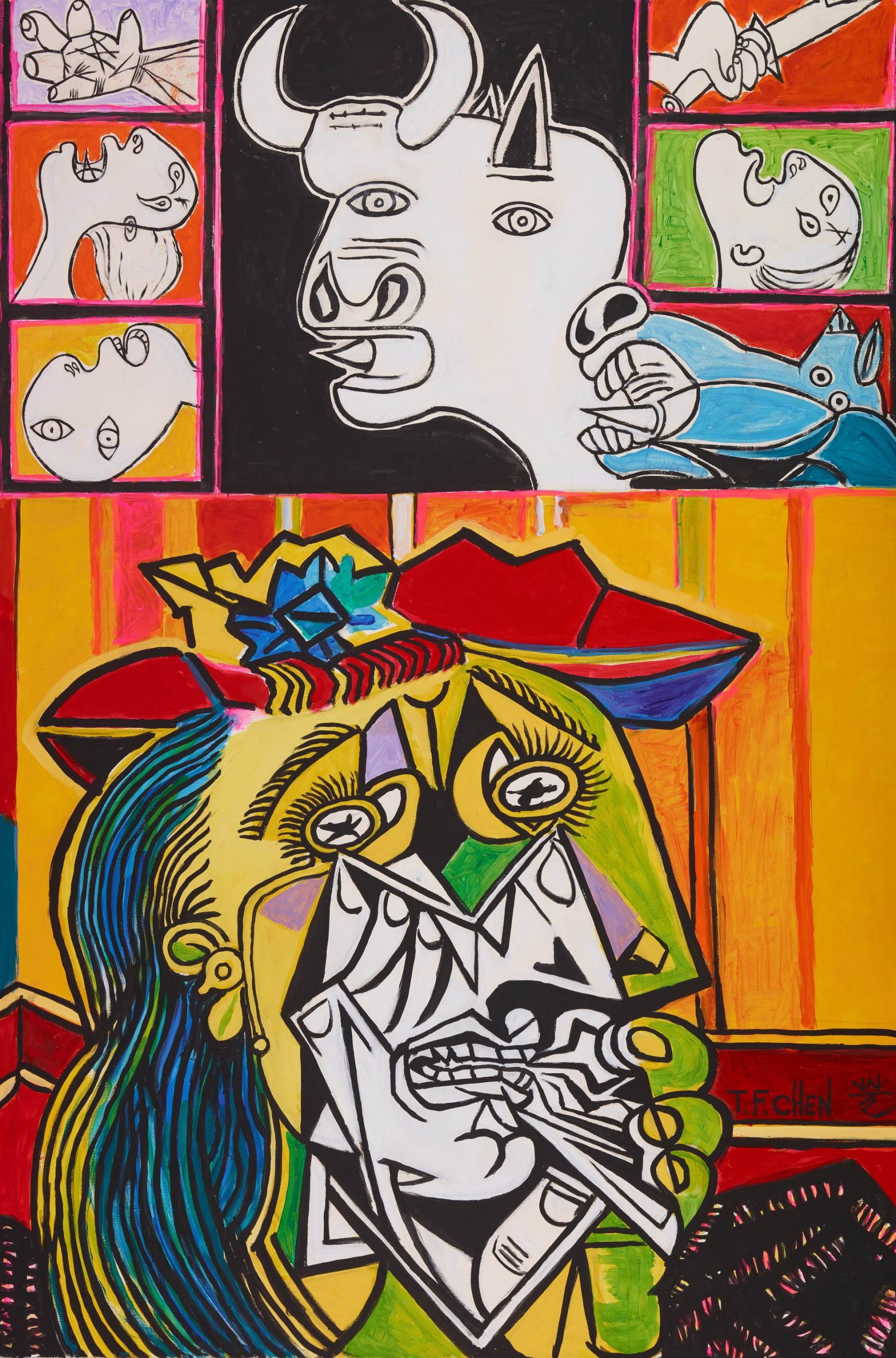
Picasso participated in the Van Gogh Art Furniture Club I
Pablo Picasso (1881-1973) Like Matisse, Picasso was invited to the club three times due to his creative and prolific period in Paris. During his […]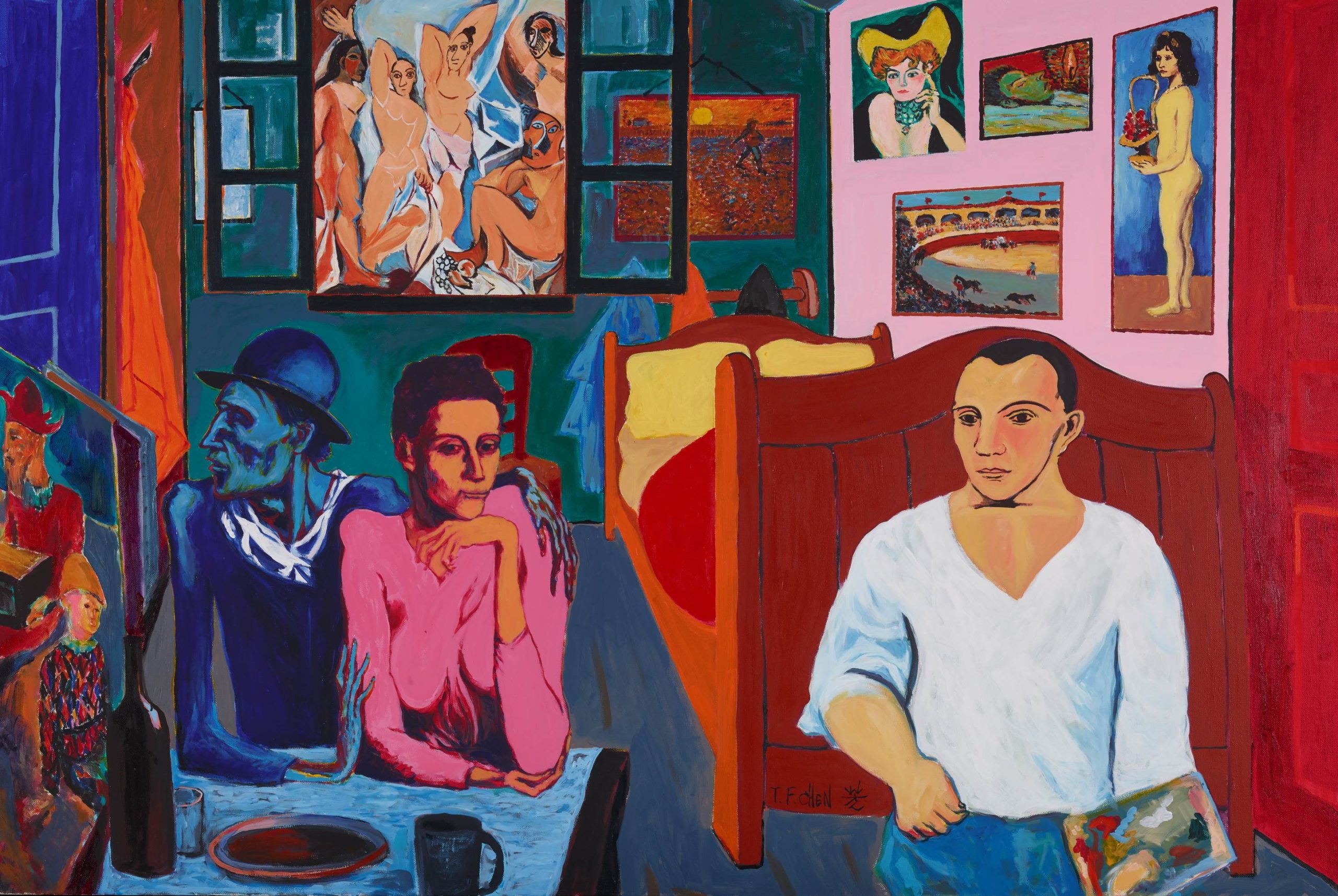
Picasso participated in Van Gogh’s Art Furniture Club III
Picasso participates in the “Van Gogh Artists Club” (III) When the third invitation came to the celebratory club, Picasso chose many artworks to decorate the studio, […]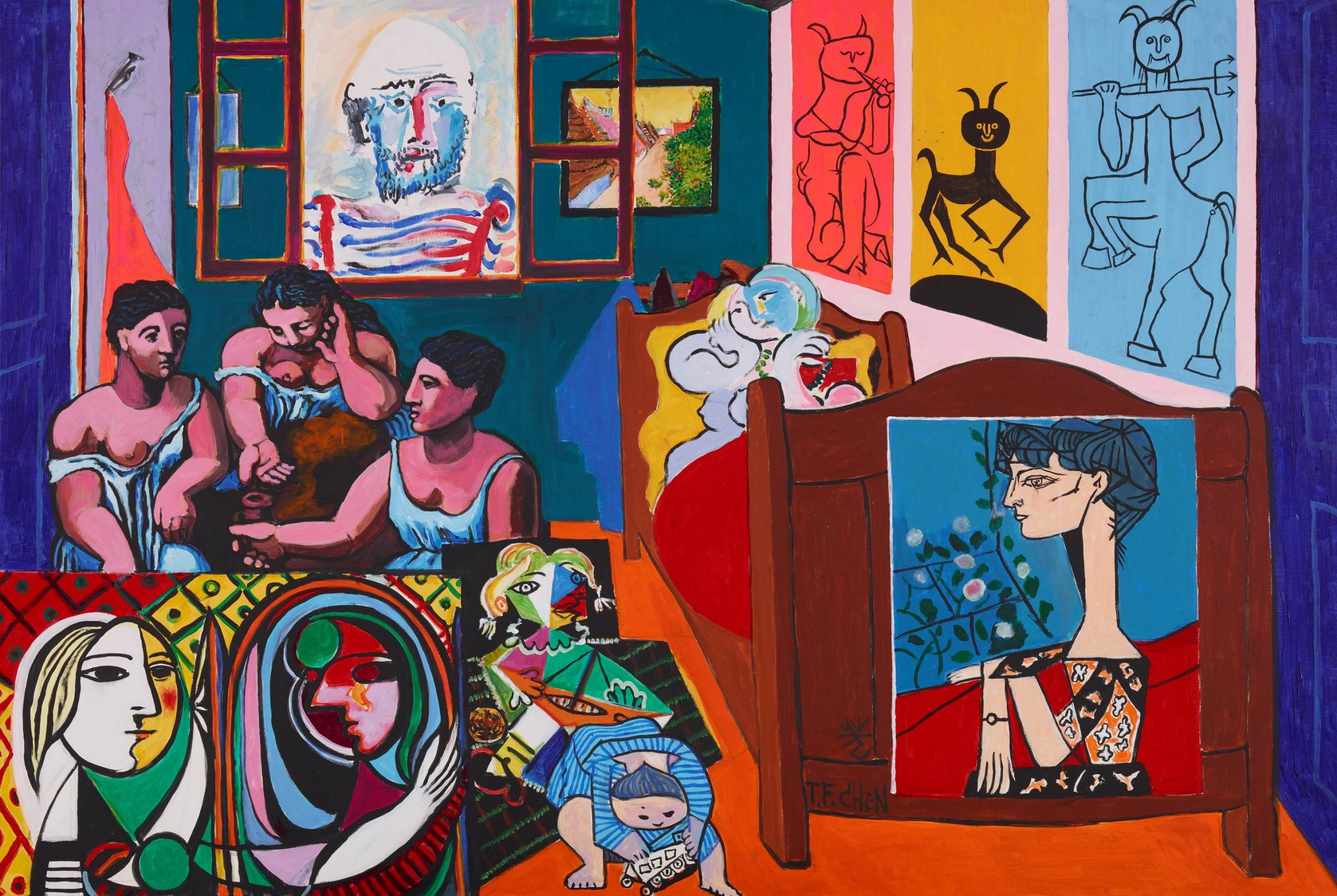
Modigliani participated in the Van Gogh Art Furniture Club
Amedeo Modigliani (1884-1920)One of the most distinctive individualists in modern art, was invited to join the “Van Gogh Furniture Club” and died at the age of […]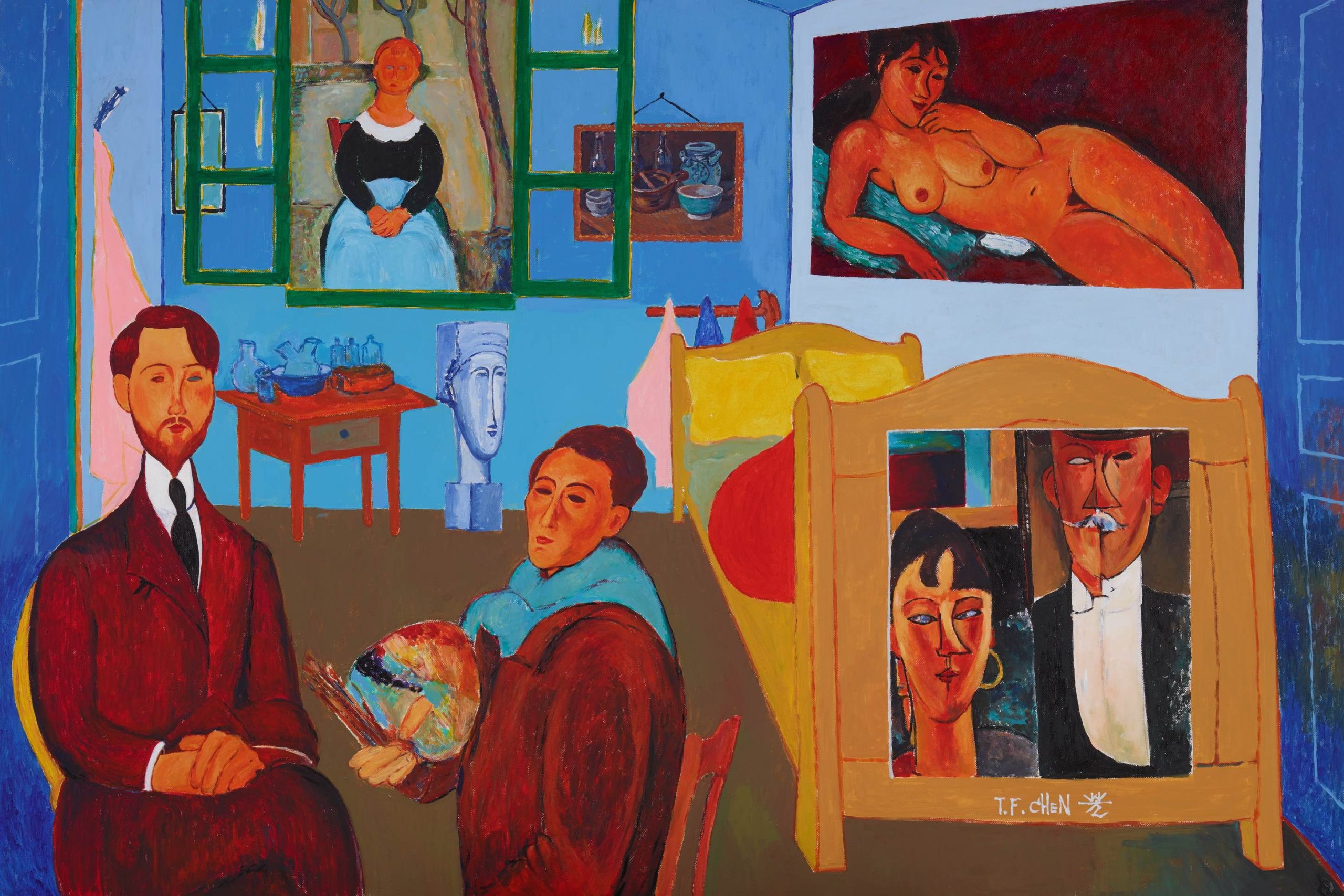
Paul Cary participated in the Van Gogh Art Furniture Club
Paul Klee (1879-1940) It is said that three goddesses guarded his cradle after his birth: painting, poetry, and music. He was a gifted young violinist. […]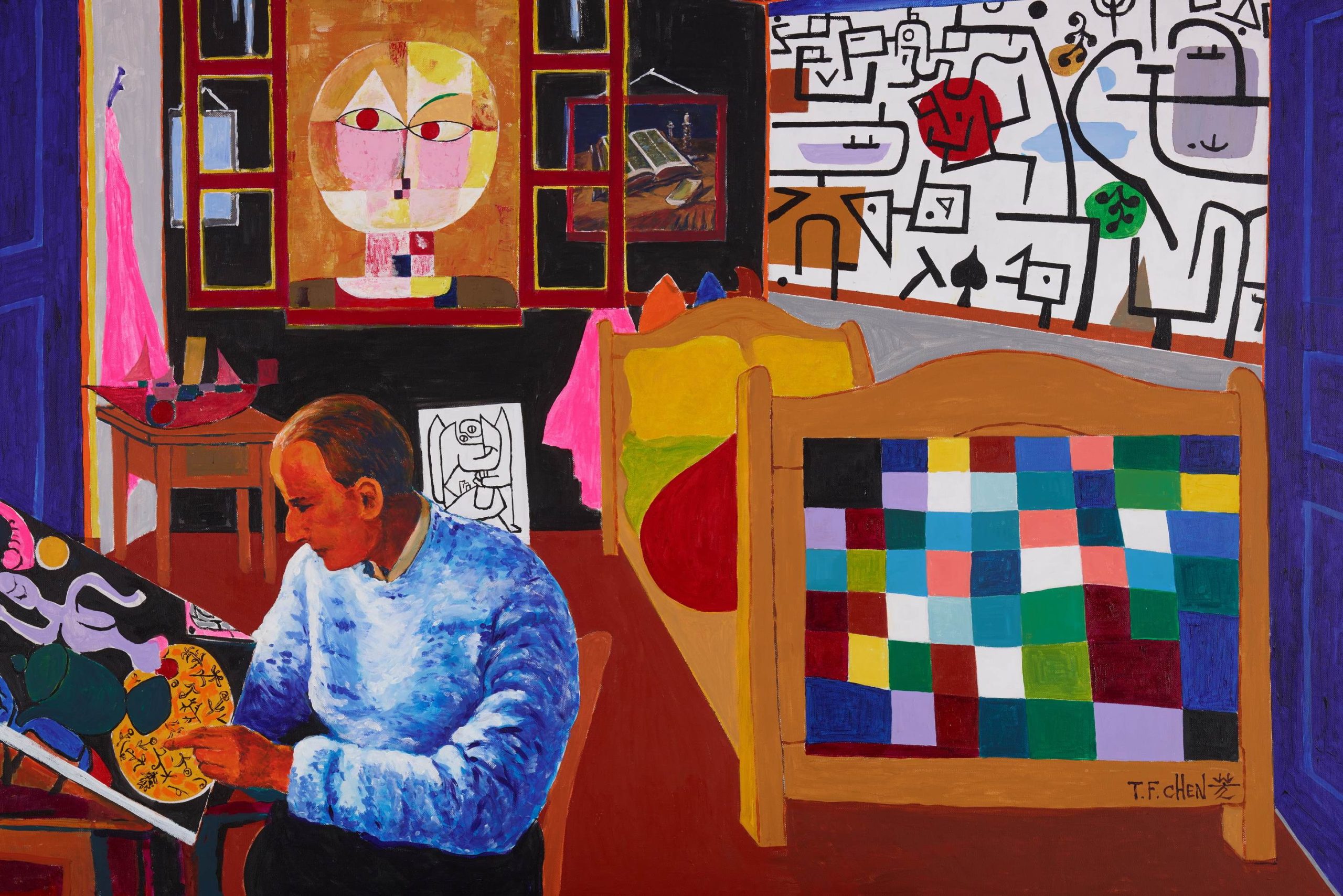
Matisse participated in Van Gogh Art Furniture Club II
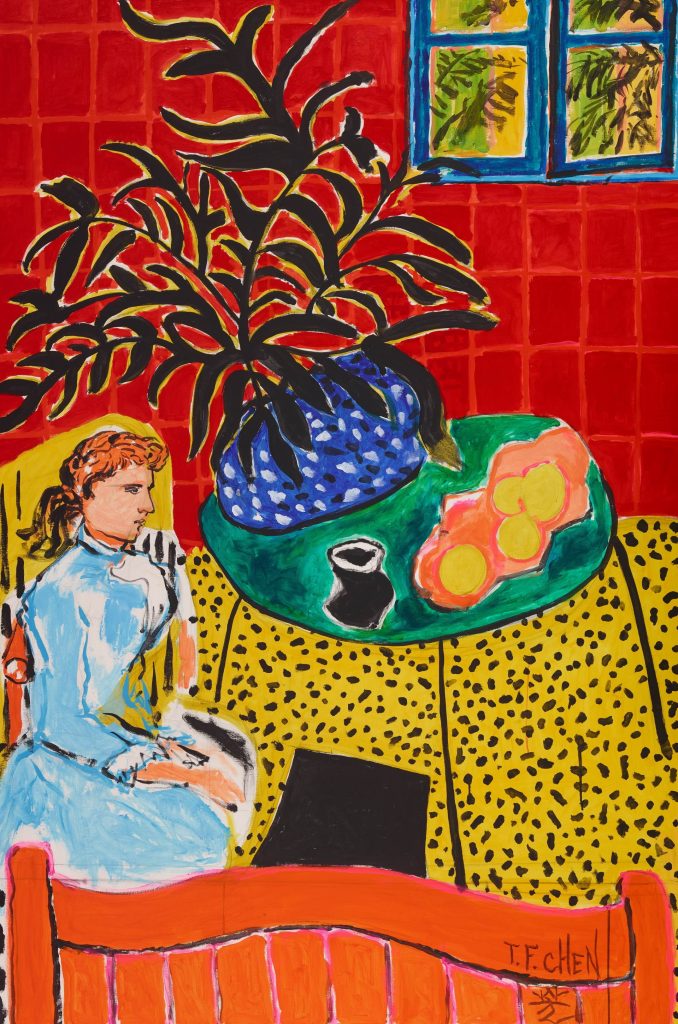
Matisse’s Participation in “The Van Gogh Art Furniture Club” (II) During his second visit, Matisse decided to paint the three-digit monumental canvas with only stylized arabesque […]
Matisse participated in Van Gogh Art Furniture Club II
Matisse’s Participation in “The Van Gogh Art Furniture Club” (II) During his second visit, Matisse decided to paint the three-digit monumental canvas with only stylized arabesque […]Matisse participated in Van Gogh’s Art Furniture Club III
Matisse Joins the “Van Gogh Art Furniture Club” (III) By invitation, Matisse joined the club for the third time, producing a canvas the same size as […]
Matisse participated in Van Gogh’s Art Furniture Club III
Matisse Joins the “Van Gogh Art Furniture Club” (III) By invitation, Matisse joined the club for the third time, producing a canvas the same size as […]Cézanne participated in the Van Gogh Art Furniture Club
Paul Cézanne (1839-1906) While Van Gogh was in Paris, he befriended Cézanne, a native of Aix-en-Provence near Arles, so it was natural that he was invited […]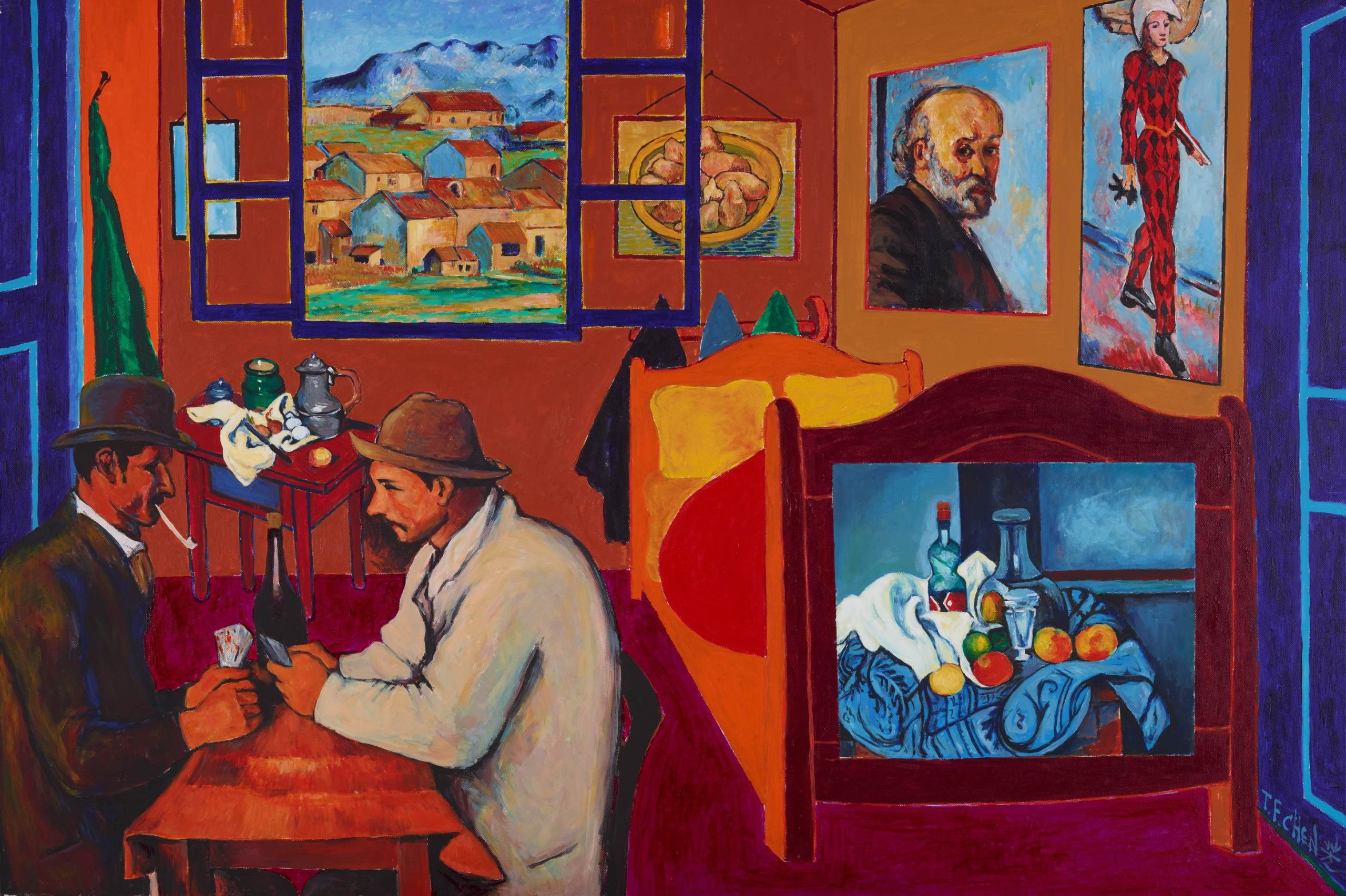
Xia Jiaer participated in the Van Gogh Art Furniture Club
Marc Chagall (1887–1985), born Moise Zakarrovich Chagall, was a renowned Russian-French artist of Belarusian Jewish descent. He moved between various schools of thought, including Impressionism, Cubism, […]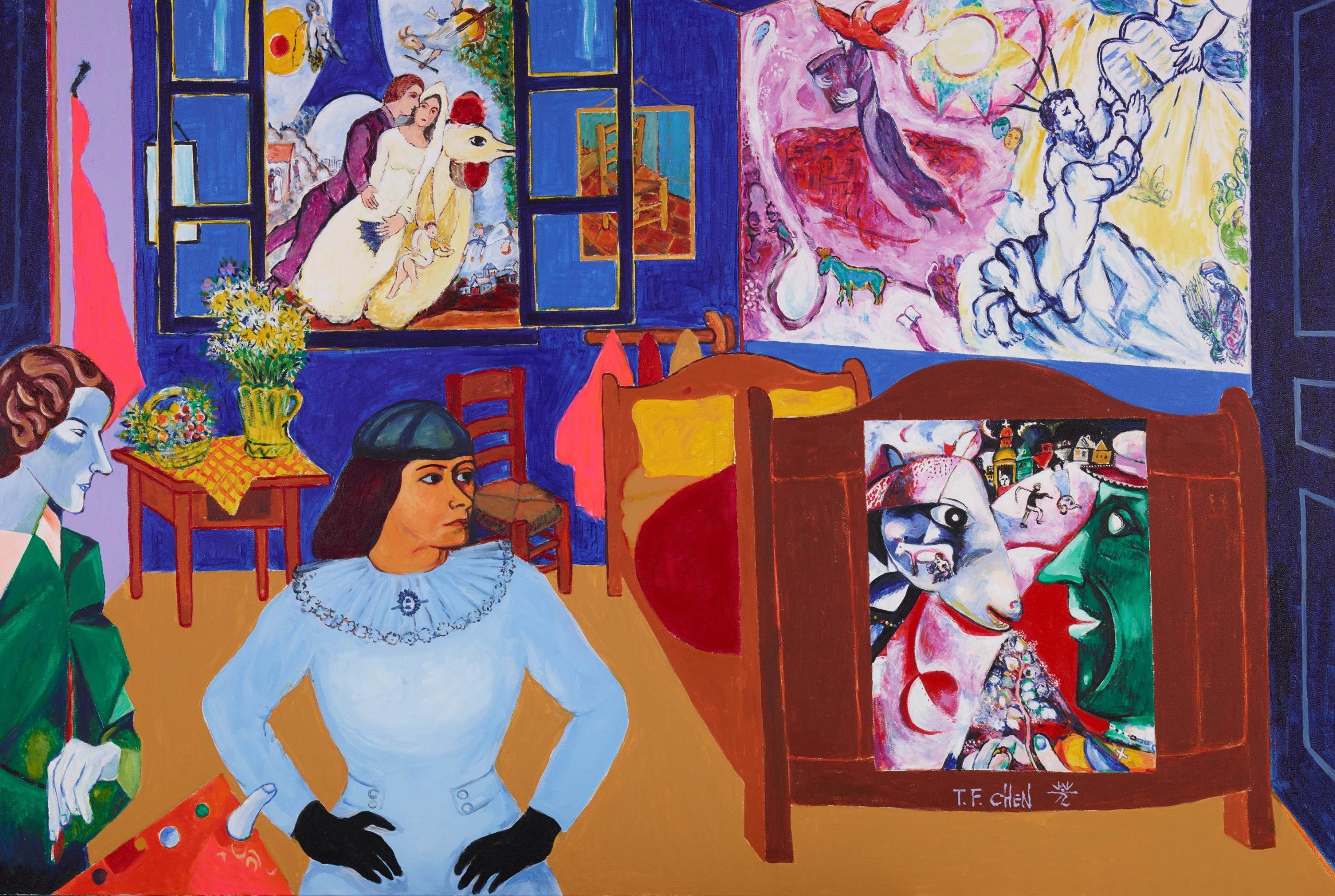
Miró participated in the Van Gogh Art Furniture Club
Juan Miró (1893-1983) Born in Catalonia, Spain, Miró identified with the quiet local traditions and radiant heritage, painting numerous delicate Fauvist landscapes and figures […]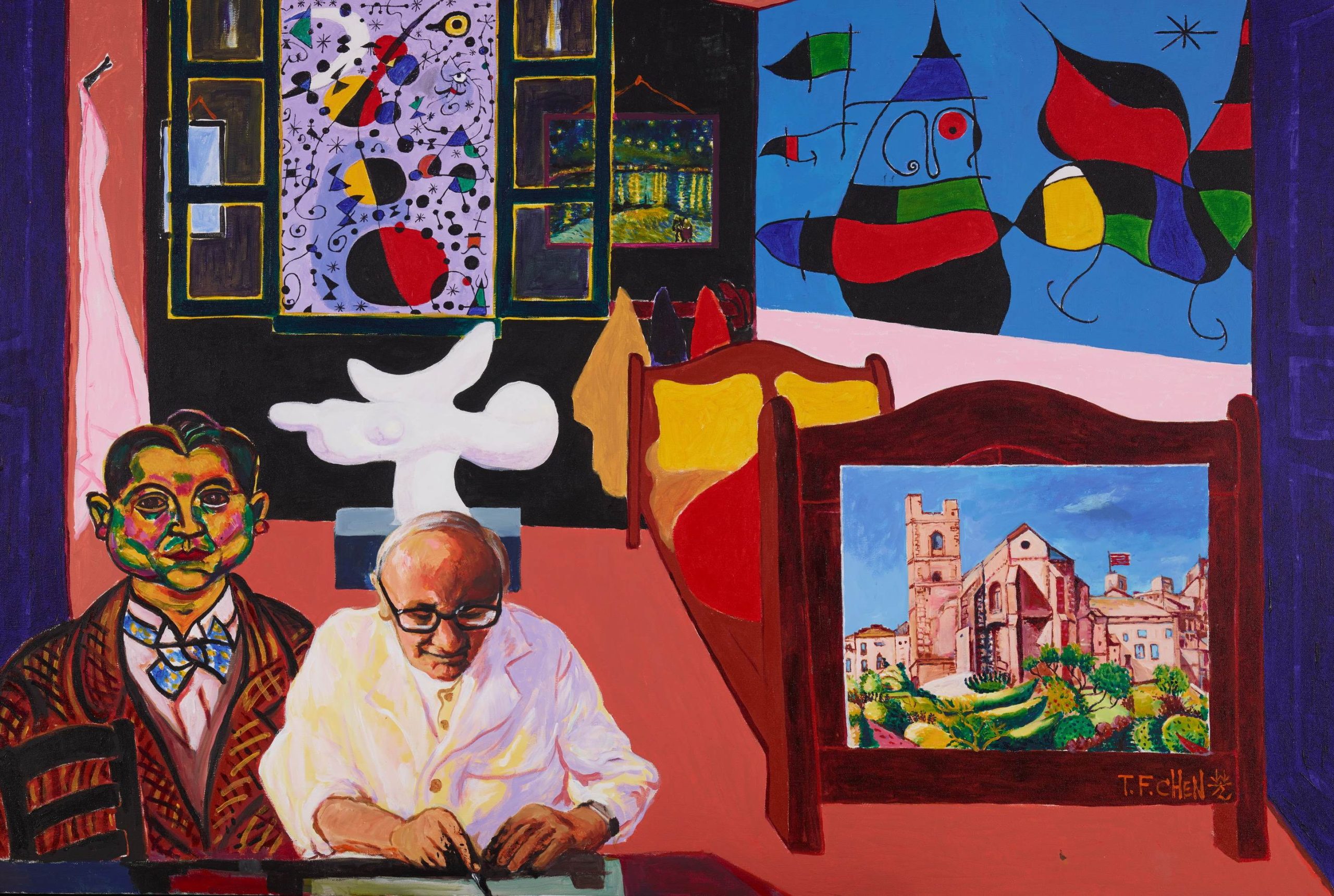
Henri Rousseau participated in the Van Gogh Art Furniture Club
Henri Rousseau (1844-1910) In 1908, artists in Bateau-Lavoir organized a banquet in memory of Henri Dousseau. Picasso took the initiative, and the dinner was held […]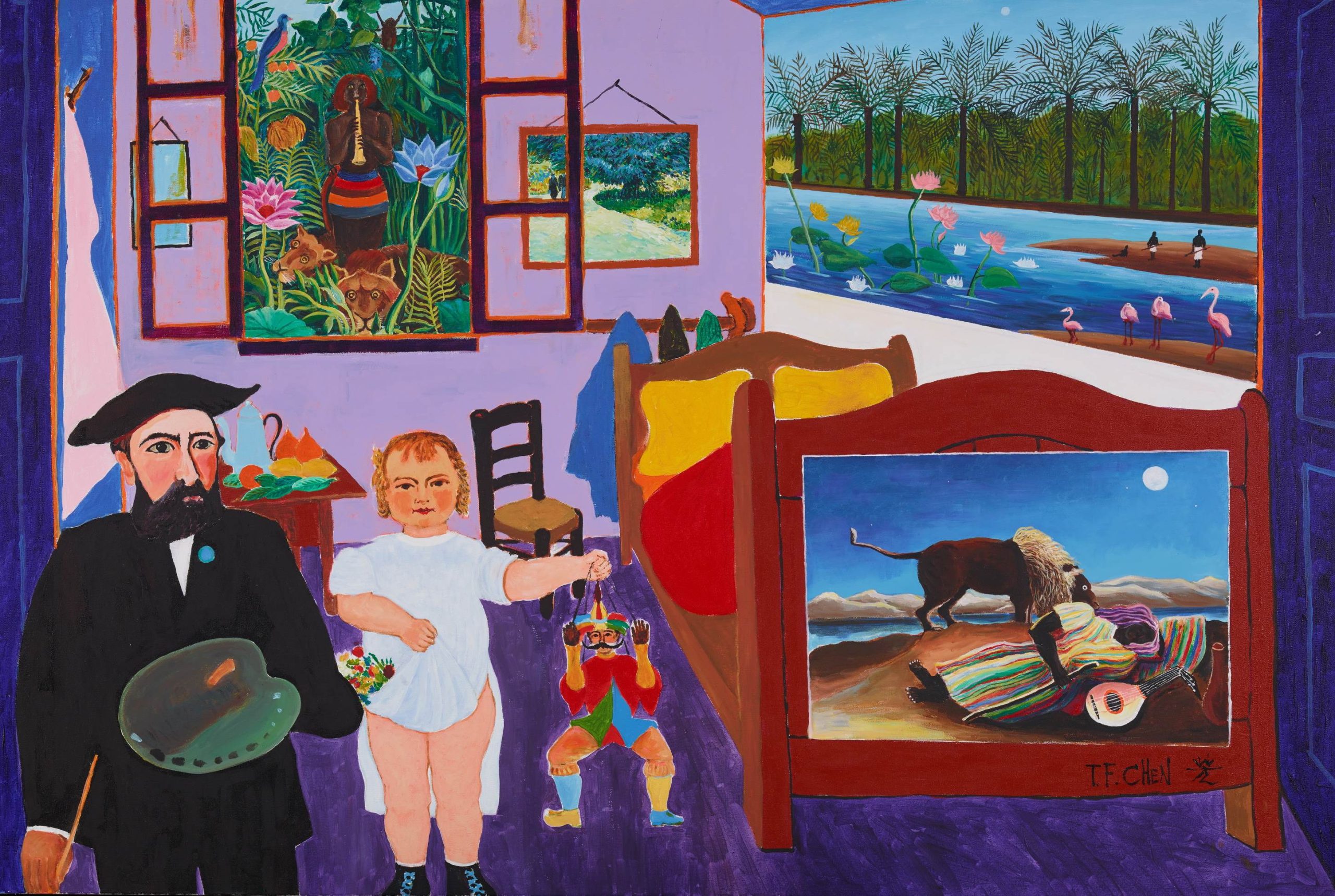
Kandinsky participated in the Van Gogh Art Furniture Club
Wassily Kandinsky (1866-1944) Kandinsky came to Germany from Russia and, in May 1912, founded “The Blue Rider” with Marc. They published an annual, presented aesthetic […]
Munch participated in the Van Gogh Art Furniture Club
Edvard Munch (1863-1944) Born in Norway in 1863, Munch suffered greatly in his youth from the deaths of his mother and sister. He arrived in Paris […]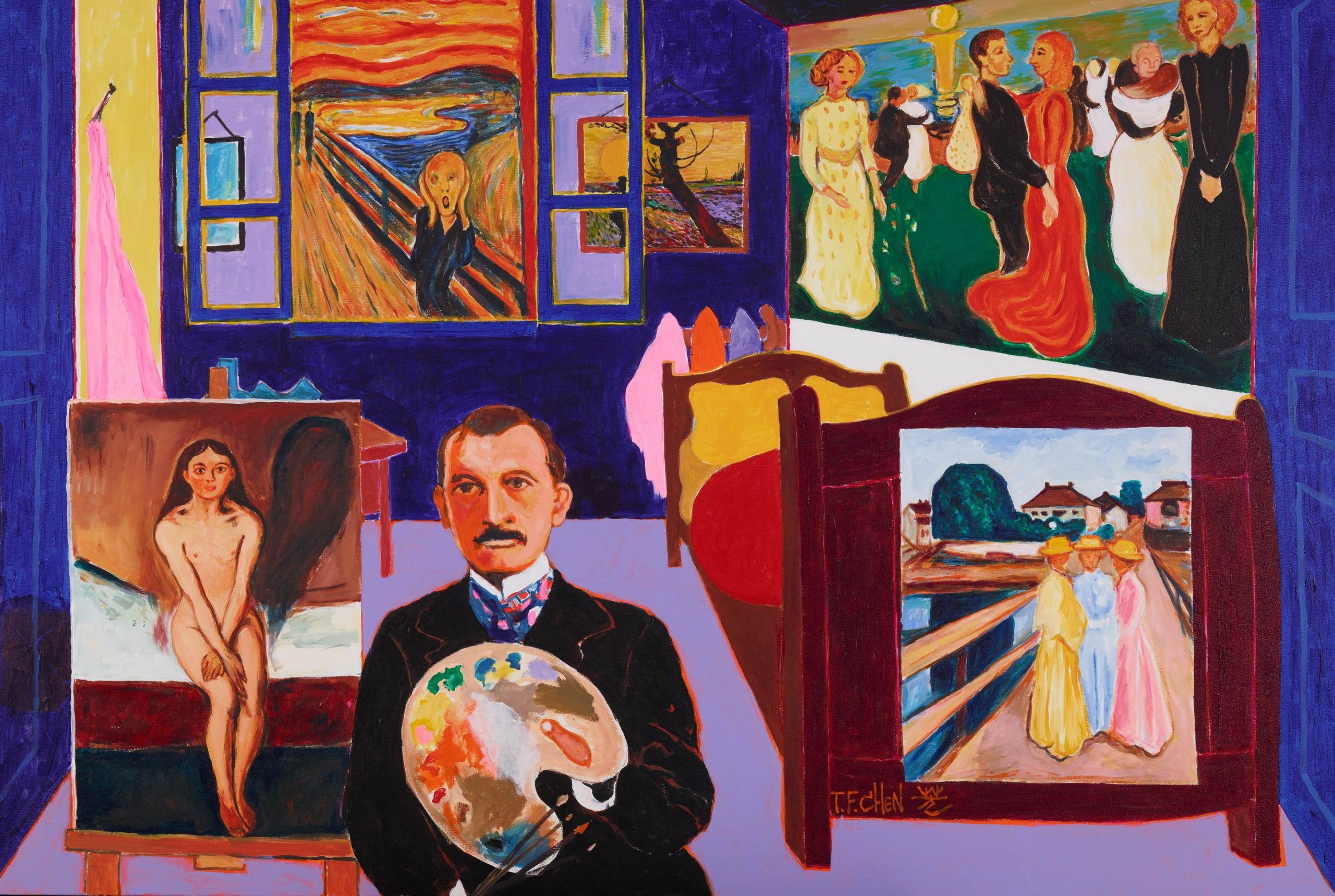
Rouault participated in the Van Gogh Art Furniture Club
Georges Rouault (1871-1958) Georges Rouault, a painter favoring understated elegance, is considered a key figure in the Fauves movement and is the only French artist […]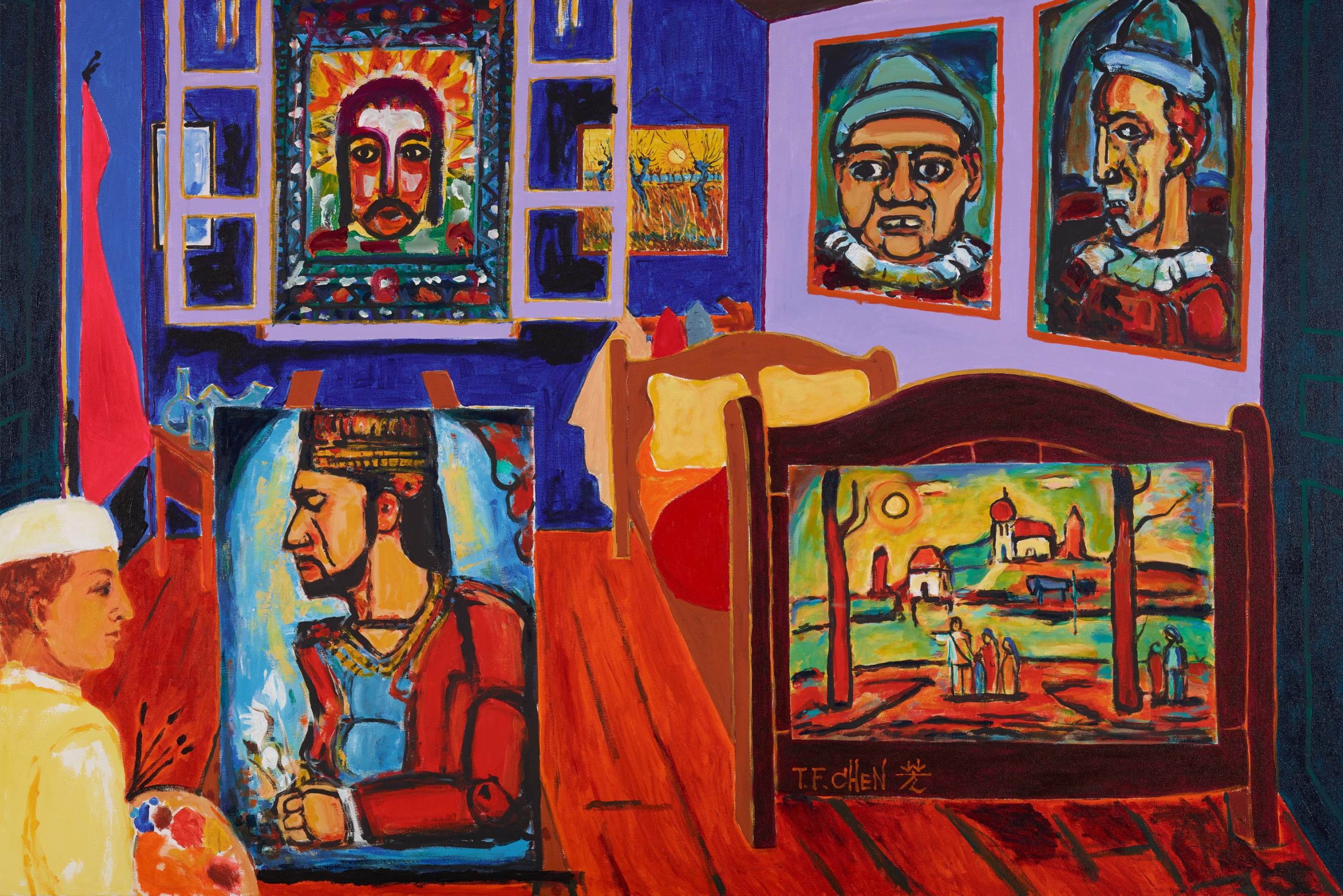
Du Xiang participated in the Van Gogh Art Furniture Club
Marcel Duchamp (1887-1968) During Marcel Duchamp’s first major retrospective, a chess game was on display at the Pasadena Museum, his “Fountain” (1917) was pasted onto a […]